venerdì 3 agosto 2007

L'ARTE DELLA SEDUZIONE (THE ART OF SEDUCING)


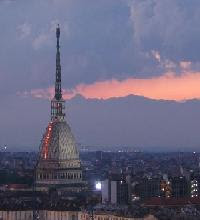
Tanto per ricordare che la seduzione è un'arte (e non solo).

The above picture is just to remind you that seduction is an art (among other things).

THE GEESE AND THE GHOST (ANTHONY PHILLIPS) - 1977


“The geese and the ghost” è l’album d’esordio da solista di Anthony Phillips, primo chitarrista del Genesis.
La sua pubblicazione risale al 1977 e, pur non essendo considerato uno degli album "abortiti" dei Genesis (come nel caso di “Voyage of the acolyte” di Steve Hackett, da me postato l’11 maggio), va ricordato per il non trascurabile contributo di Mike Rutherford, il bassista dei Genesis con il quale Phillips aveva composto molte delle prime (e primissime) canzoni del celebre gruppo britannico. Fra l’altro, il pezzo intitolato “Collections” contiene materiale scritto da Phillips quando ancora militava nella band. I legami di “The geese and the ghost” con i Genesis sono consolidati dalla presenza di Phil Collins (vocalist in due brani dell’album) e del flautista John Hackett, fratello di Steve, presente anche nel summenzionato album “Voyage of the acolyte”.
In poche parole, un album (originariamente pubblicato come doppio LP) prettamente acustico e ricco di orchestrazioni, il quale ricorda da vicino i primi Genesis, soprattutto quelli di “Trespass” (da me postato il 4 giugno) e “Nursery crime”. Per quanto possa suonare piuttosto datato e monotono a tratti, “The geese and the ghost” va ascoltato più volte per essere apprezzato. Un album che ogni appassionato di rock progressivo non deve assolutamente perdersi.
A titolo d’informazione, Anthony Phillips uscì dai Genesis subito dopo le registrazioni di “Trespass” e fu sostituito da Steve Hackett.
Voto personale (scarso / insufficiente / sufficiente / buono / distinto / ottimo / eccellente): Distinto.

Released in 1977, ”The geese and the ghost” is the debut solo album from former Genesis guitarist Anthony Phillips.
While not considered to be a "lost" Genesis album (as is Steve Hackett’s “Voyage of the acolyte”, which I posted on May 11th), “The geese and the ghost” is notable for the substantial contributions of Mike Rutherford, who had been one of Phillips' songwriting partners in Genesis and before. Among other things, the track "Collections" contains some material written by Phillips when he was still with the band. Additionally, Phil Collins, who joined Genesis after Anthony Phillips had left, sings on two tracks. Steve Hackett's brother John also plays flute on several tracks.
In a few words, a prettily acoustic album (originally released as a double LP) rich in orchestration, which sounds quite a lot like the early Genesis releases, especially “Trespass” (which I posted on June 4th) and “Nursery crime”. Though it may sound a little dated and somehow “tedious”, “The geese and the ghost” rewards repeated listens and should in any case be included in any serious prog rock fan’s collection.
By way of information, Anthony Phillips left Genesis after recording “Trespass”, and was substituted by Steve Hackett.
My personal mark (very poor / poor / pass / good / fairly good / very good / excellent): Fairly good.

PERSONNEL:

Anthony Phillips - chitarre acustiche ed elettriche, tastiere, percussioni varie (acoustic and electric guitars, keyboard, miscellaneous percussions)
Mike Rutherford - chitarre acustiche ed elettriche, basso, tastiere, percussioni varie (acoustic and electric guitars, bass, keyboard, miscellaneous percussions)
Phil Collins - voce in “Which way the wind blows” e “God if I saw her now” (vocals on “Which way the wind blows” e “God if I saw her now”)
John Hackett - flauto (flute)

Alla realizzazione dell’album hanno contributo numerosi altri musicisti e orchestrali.

A number of musicians and orchestra players contributed to recording the album.

TRACK LIST:

1. Wind - Tales
2. Which way the wind blows
3. Henry: Portraits from Tudor times - i) Fanfare
4. ii) Lutes' Chorus
5. iii) Misty Battlements
6. iv) Henry goes to war
7. v) Death of a knight
8. vi) Triumphant return
9. God if I saw her now
10. Chinese mushroom cloud
11. The geese and the ghost - Part I
12. The geese and the ghost - Part II
13. Collections
14. Sleepfall: The geese fly West

THE GEESE AND THE GHOST - DISC 1 (52,0 MB)

THE GEESE AND THE GHOST - DISC 2 (54,7 MB)

giovedì 2 agosto 2007

UN BAGNO INSOLITO ... (HAVING AN UNUSUAL BATH ...)


Trovo questa immagine molto più carina e seducente di tutte le tette e le chiappe al vento che in questa stagione ci propinano le peggiori riviste gossip. Ho forse torto???

I find this picture much more seductive and prettier than the plenty of bare boobs and buttocks we all can see in the worst summer gossip magazines. Am I wrong???

mercoledì 1 agosto 2007

ANGEL'S EGG (GONG) - 1973


La cosa che colpisce maggiormente dell’album “Angel’s egg” è la sua diversità, dal punto di vista musicale, rispetto ai precedenti lavori dei Gong - lavori con i quali l’album condivide in ogni caso i contenuti e la struttura. Tuttavia, i suoni raffinati e i sintetizzatori presenti in “Angel’s egg” indicano indubbiamente l’evoluzione futura della band.
Ed è proprio il brano d’apertura “Other side of the sky”, dal vago sapore orientale, con le particolari timbriche dei sintetizzatori e del sassofono, a dare il "tono" del nuovo sound Gong. “Angel’s egg” comprende alcuni brani (es. "Sold to the highest Buddha," "Oily way," l’ottima "I never glid before" e "Ooby scooby doomsday") che ricordano in qualche modo i precedenti lavori del gruppo, ma nel caso di "Angel's egg" i pezzi sono più brevi, meglio costruiti, con il merito di attenuare alcune “spigolosità” degli album precedenti. Gli altri pezzi evidenziano l’espandersi del linguaggio musicale dei Gong, dalle brevi introduzioni di chitarre e sintetizzatori in generale a “Love is how you make it”, da “Eat that phone book coda” a “Prostitute poem” (piccola perla musicale in stile cabaret erotico).
Come tutti i lavori dei Gong di Daevid Allen, “Angel’s egg” richiede un ascolto attento e, soprattutto, ripetuto. La sua originalità e la brevità di alcuni brani danno al primo ascolto un’impressione di frammentarietà ed elusività. Tuttavia, a mio parere, si tratta di uno degli album migliori dell’intera discografia della band.
Voto personale (scarso / insufficiente / sufficiente / buono / distinto / ottimo / eccellente): Distinto.

What is most immediately apparent about “Angel’s egg” is how different it sounds musically from the previous Gong releases. The album shares content and structure with the two earlier Gong albums, but the polished sound and synthesizers point towards the band's future.
The vaguely Eastern-sounding opener "Other side of the sky" - all bubbling synthesizers and airy saxophone - sets the tone for the new Gong sound. There are some excellent groovy numbers that capture the essence of past Gong highlights ("Sold to the highest Buddha," "Oily way," the great "I never glid before" and "Ooby scooby doomsday ..."), but they're shorter, slicker and they smooth over some of the previous albums' edginess. The other pieces show the band expanding their musical vocabulary, from short guitar and synthesizer interludes to "Love is how you make it," "Eat that phone book (Coda)" and erotic cabaret-style "Prostitute poem."
This is an album (like all Daevid Allen's Gong albums) that rewards repeated exposure. Its diversity and the shortness of some of the songs can make it elusive to hone in on, but, in my opinion, I think most listeners will eventually regard it as one of the better entries in the Gong discography.
My personal mark (very poor / poor / pass / good / fairly good / very good / excellent): Fairly good.

GONG (1973):

Daevid Allen - voce, chitarre (vocals, guitars)
Tim Blake - sintetizzatori, voce (synthesizers, vocals)
Steve Hillage - chitarre, voce (guitars, vocals)
Mike Howlett - basso, voce (bass, vocals)
Didier Malherbe - strumenti a fiato, voce (woodwinds, vocals)
Pierre Moerlen - batteria e percussioni, voce (drums and percussions, vocals)
Gilli Smyth - voce (vocals)

TRACK LIST:

1. Other side of the sky
2. Sold to the highest Buddha
3. Castle in the clouds
4. Prostitute poem
5. Givin my love to you
6. Selene
7. Flute salad
8. Oily way
9. Outer temple
10. Inner temple
11. Percolations
12. Love is how Y make it
13. I never glid before
14. Eat that phone book (Coda)
15. Ooby-scooby doomsday or the D-Day got the D.D.T. blues (BONUS TRACK)

ANGEL'S EGG (GONG) - 45,5 MB

666 (APHRODITE'S CHILD) - RE-POST


RE-POST DI UNO DEI PRIMISSIMI ALBUM DEL BLOG / THIS IS A RE-POST OF ONE OF THE EARLY ALBUMS APPEARING ON THIS BLOG

Gli Aphrodite’s Child sono un gruppo progressivo greco fondato nel 1967 da Vangelis Papathanassiou (tastiere), Demis Rousson (basso e voce) e Lucas Sideras (batteria e voce). Dopo l’album d’esordio “End of the world” (da me postato il 6 marzo, contenente in egual misura ballate e brani di pop psichedelico reminescenti dello stile di Procol Harum e The Moody Blues), seguito da “It’s five o’ clock” – inframezzati da un gran numero di 45 giri di successo – il gruppo iniziò, alla fine del 1970, a comporre il capolavoro “666”, adattamento in musica del “Libro della Rivelazione” biblico.
Di fatto, l’album rappresenta un concept realizzato da Vangelis, con il supporto del paroliere Costas Ferris. La musica di “666” è decisamente più psichedelica e progressive di tutto quanto gli Aphrodite’s Child avevano prodotto fino ad allora. Tale orientamento non fu gradito dagli altri due componenti, i quali volevano seguire il pop melodico che aveva dato loro così tanto successo. Inoltre, Roussos aveva già in mente la carriera solista e, non a caso, incise il fortunato 45 giri “We shall dance”.
All’uscita del doppio album “666” alla fine del 1971, e avendo venduto ormai più di 20 milioni di dischi, gli Aphrodite’s Child si erano già sciolti. Tutti e tre i componenti si dedicarono ad attività soliste – carriere di successo come nel caso di Demis Roussos, cantante melodico, e Vangelis, arrangiatore, compositore di colonne sonore, e “propulsore” di quella che sarebbe stata etichettata New Age.
In ogni caso, “666” è un album imperdibile per ogni appassionato di rock psichedelico e progressivo.
Voto personale (scarso / insufficiente / sufficiente / buono / distinto / ottimo / eccellente): Distinto/Ottimo.

Aphrodite’s Child was a Greek progressive rock band formed in 1967 by Vangelis Papathanassiou (keyboards), Demis Rousson (bass and vocals) and Lucas Sideras (drums and vocals). After releasing their debut album “End of the world” (contaning an equal amount of psychedelic pop songs and ballads in the vein of Procol Harum or The Moody Blues – see my post on March 6th) and the follow-up “It’s five o’clock” – with a number of successful single hits in between – the band began to record their crowning achievement late in 1970: “666”, a musical adaptation of the biblical “Book of Revelation”.
Essentially, “666” was Vangelis' concept, created with an outside lyricist, Costas Ferris. The music that Vangelis was creating for “666” was much more psychedelic and progressive rock oriented than anything the band had done before. This did not sit well with the other band members, who wished to continue in the pop direction that had brought them success. Furthermore, Roussos was being groomed for a solo career, and recorded his first solo single "We shall dance".
By the time the double LP “666” finally came out in late 1971, and having sold over 20 million albums, the band had already split. Both Vangelis and Demis Roussos pursued successful solo careers, Roussos as a pop singer and Vangelis as one of the pioneers in New Age music, whereas Loukas Sideras pursued a less successful solo career.
In any case, an album any psychedelic/progressive rock fan should not absolutely miss!
My personal mark (very poor / poor / pass / good / fairly good / very good / excellent): Fairly/Very good.

APHRODITE'S CHILD (1970):

Vangelis Papathanassiou – tastiere (keyboards)
Demis Rousson – basso, voce (bass, vocals)
Lucas Sideras – batteria, voce (drums, vocals)

TRACK LIST:

DISC 1:

1. The system
2. Babylon
3. Loud, loud, loud
4. The four horsemen
5. The lamb
6. The seventh seal
7. Aegian Sea
8. Seven bowls
9. The wakening beast
10. Lament
11. The marching beast
12. The battle of the locust
13. Do it
14. Tribulation
15. The beast
16. Ofis

DISC 2:

1. Seven trumpets
2. Altamont
3. The wedding of the lamb
4. The capture of the beast
5. Infinity
6. Hic and nunc
7. All the seats were occupied
8. Break

666 (APHRODITE'S CHILD) - DISC 1 (51,3 MB)

666 (APHRODITE'S CHILD) - DISC 2 (82,5 MB)

venerdì 27 luglio 2007

THE LAMB LIES DOWN ON BROADWAY (GENESIS) - 1974


”The Lamb Lies Down on Broadway” è un doppio album concept registrato e pubblicato nel 1974 dai Genesis. Si tratta del settimo lavoro della band inglese (il sesto in studio), nonchè l’ultimo album che vede la partecipazione di Peter Gabriel.
L’album narra la storia surreale di Rael, un giovane delinquente per metà di origine portoricana che vive a New York e che viene risucchiato in una sorta di mondo sotterraneo dantesco, dove si trova a dover affrontare creature bizzarre e incubi terrificanti per poter salvare il fratello John. Molte delle storie, delle situazioni e dei luoghi narrati derivano dalle esperienze oniriche dello stesso Peter Gabriel, e, non a caso, il nome del protagonista ricorda da vicino quello del vocalist del gruppo. I testi dei singoli brani presentano riferimenti colti, raffinati e satirici ai diversi aspetti della vita, dalla mitologia alla sessualità, dalla pubblicità al consumismo.
Buona parte della musica dell’album è stata scritta dai componenti della band senza la partecipazione di Gabriel, il quale decise di dedicarsi alla storia e ai testi delle canzoni. Tale scelta causò un certo attrito all’interno del gruppo, soprattutto per il fatto che il bassista Mike Rutherford aveva inizialmente suggerito un progetto diverso.
In ogni caso, “The Lamb Lies Down on Broadway” è, a distanza di oltre 30 anni, uno degli migliori album di rock progressivo mai registrati: personalmente, lo annovero fra i 10 migliori dischi che abbia mai ascoltato in vita mia.
Voto personale (scarso / insufficiente / sufficiente / buono / distinto / ottimo / eccellente): Eccellente.

”The Lamb Lies Down on Broadway” is a two-record concept album recorded and released in 1974 by Genesis. It was their seventh album (sixth studio album) and the last album by the group to feature the involvement of lead singer Peter Gabriel.
The album tells the surreal story of a half-Puerto Rican juvenile delinquent named Rael living in New York City, who is swept in a sort of Dantesque underground world to face bizarre creatures and nightmarish dangers in order to rescue his brother John. Several of the story's occurrences and places were derived from Peter Gabriel's dreams, and the protagonist's name is a play on his surname. The individual songs make satirical allusions to everything from mythology to sexuality to advertising and consumerism.
Most of the music on the album was written by the band members without Gabriel's participation. Gabriel insisted on writing the story and all the lyrics himself, which caused friction, in particular because bassist Rutherford had originally suggested another project for the band.
In any case, one of the best progressive albums ever recorded: personally, I rate “The Lamb Lies Down on Broadway” among the 10 best records I’ve ever listened to in my life.
My personal mark (very poor / poor / pass / good / fairly good / very good / excellent): Excellent.

GENESIS (1974):

Peter Gabriel - voce, flauto (lead vocals, flute)
Steve Hackett - chitarre elettriche e acustiche (electric and acoustic guitars)
Tony Banks - tastiere (keyboards)
Mike Rutherford - basso, chitarra a 12 corde (bass, 12-string guitar)
Phil Collins - batteria e percussioni, vibrafono, voce (drums and percussions, vibes, vocals)

TRACK LIST:

DISC 1

1. The lamb lies down on Broadway
2. Fly on a windshield
3. Broadway melody of 1974
4. Cuckoo cocoon
5. In the cage
6. The grand parade of lifeless packaging
7. Back in N.Y.C.
8. Hairless heart
9. Counting out time
10. The carpet crawlers
11. The chamber of 32 doors

DISC 2

1. Lilywhite Lilith
2. The waiting room
3. Anyway
4. Here comes the supernatural anaesthetist
5. The Lamia
6. Silent sorrow in empty boats
7. The colony of slippermen (The arrival / A visit to the doktor / Raven)
8. Ravine
9. The light dies down on Broadway
10. Riding the scree
11. In the rapids
12. It


THE LAMB LIES DOWN ON BROADWAY

DISC 1 (51,7 MB)

DISC 2 (55,4 MB)

mercoledì 25 luglio 2007

BAGNI PER TUTTI I GUSTI (TOILET BOWLS FOR EVERY MAN'S TASTE)

Bagno per esibizionisti (Toilet for exhibitionist men)

Bagno ultramoderno alla giapponese
(Ultramodern Japanese-style toilet)

Bagno per fratelli gemelli (Toilet for twin brothers)

Bagno "chic" (Fashionable toilet)


Bagno per impiegati del Vaticano (Toilet for Vatican City clerks)


Bagno per musicisti (Toilet for musicians)

Bagno per diarroici (Toilet for people suffering from diarrhea)

Bagno per soldati americani (Toilet for U.S. Army soldiers)